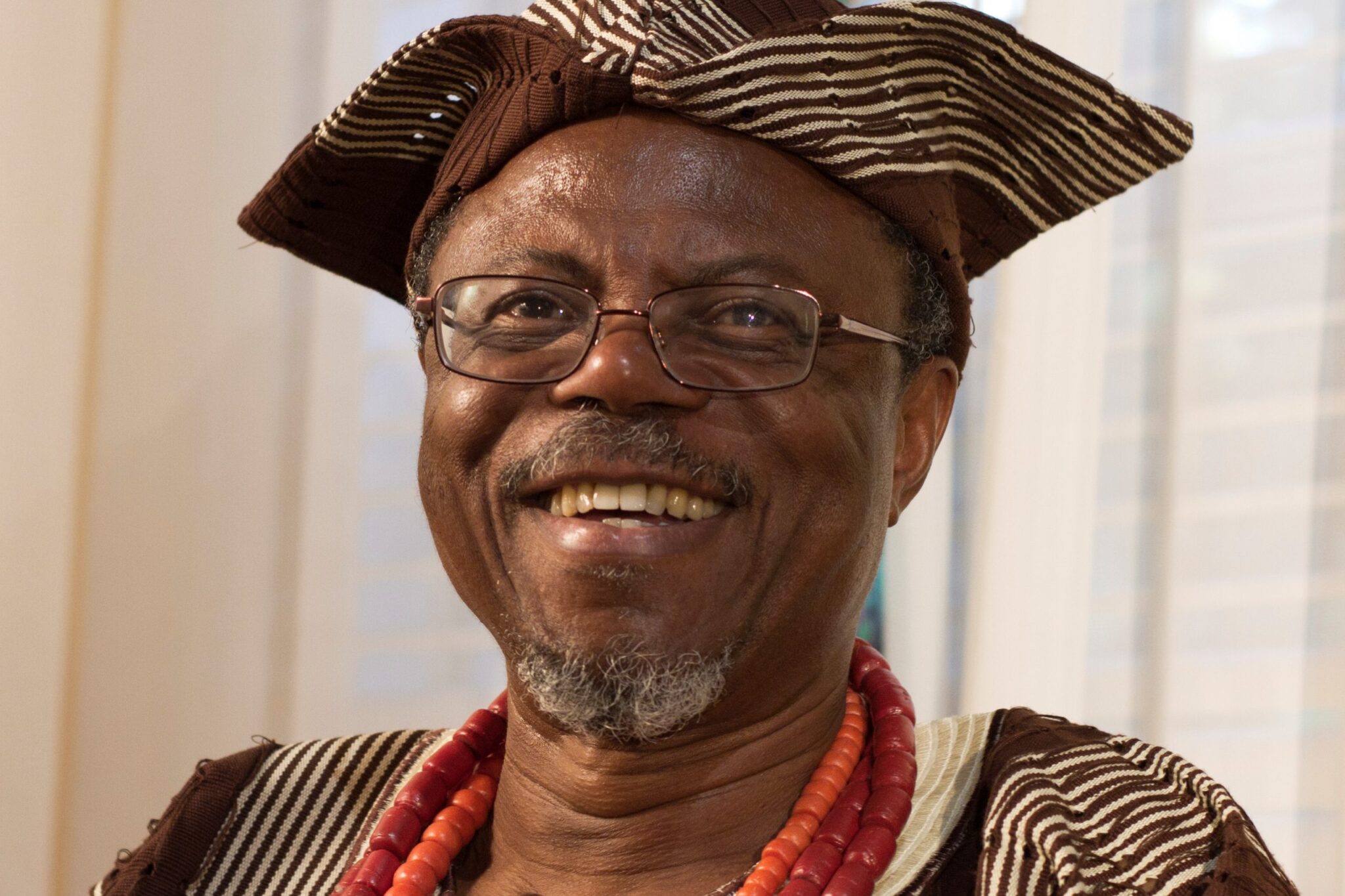
Renowned political economist and public affairs analyst Prof Anthony Kila has called for the construction of a monumental wall bearing the names of 1,000 individuals who played significant roles in Nigeria’s struggle for democracy.
Speaking at activities marking the 2026 Democracy Day celebrations, he said Nigeria must do more to preserve the memory of the men and women whose sacrifices helped secure and sustain democratic governance in the country.
The Chairman of the June 12 Movement and Professor of Strategy and Development at the Commonwealth Institute proposed establishing a national Democracy Wall in Abuja, as a permanent tribute to those who fought against authoritarianism and worked for the restoration of democratic rule.
According to him, the wall should carry the names of at least 1,000 Nigerians drawn from different backgrounds and generations who contributed, directly or indirectly, to the country’s democratic journey.
Prof. Kila noted that while roads, airports, public buildings, and institutions are often named after notable individuals, Nigeria lacks a central national monument dedicated to the collective efforts of democracy activists, journalists, labour leaders, students, civil society advocates, politicians, lawyers, academics, and ordinary citizens who risked their careers, freedoms, and in some cases their lives for democratic ideals.
He argued that the nation’s democratic history should not be reduced to a few prominent figures, no matter how important their contributions may have been.
“Democracy is never the work of one person or a handful of heroes. It is the product of the sacrifices of thousands of citizens who, in different ways and at different times, stood for freedom, justice, representation, and the rule of law,” he said.
The political economist suggested that the proposed monument should be designed not only as a memorial but also as an educational site where citizens, particularly young Nigerians, can learn about the country’s democratic evolution and the struggles that shaped modern Nigeria.
He further proposed that after the construction of a national wall in Abuja, state governments should be encouraged to establish similar monuments highlighting individuals from their respective states who contributed to democratic development and civic progress.
According to him, such a project would help deepen civic consciousness, strengthen national memory, and promote a culture of appreciation for public service and democratic participation.
Prof. Kila emphasised that many of the individuals who contributed to the democratic struggle remain unknown to younger generations despite their immense sacrifices. He warned that societies that fail to preserve their history risk losing touch with the values and principles upon which their institutions are built.
The proposal comes as Nigerians marked the 2026 Democracy Day anniversary, commemorating the historic June 12, 1993 presidential election, widely regarded as one of the freest and fairest elections in the country’s history and a defining moment in Nigeria’s democratic journey.
Observers have described the proposal as a significant contribution to ongoing conversations about national memory, historical recognition, and the preservation of Nigeria’s democratic heritage. If implemented, the Democracy Wall would become one of the country’s most prominent civic monuments, serving as a lasting reminder of the collective sacrifices that made democratic governance possible in Nigeria.