The Nigerian Bar Association (NBA), Abeokuta branch, has called for stronger democratic institutions, greater judicial independence and strict adherence to the rule of law to deepen Nigeria’s democratic consolidation.
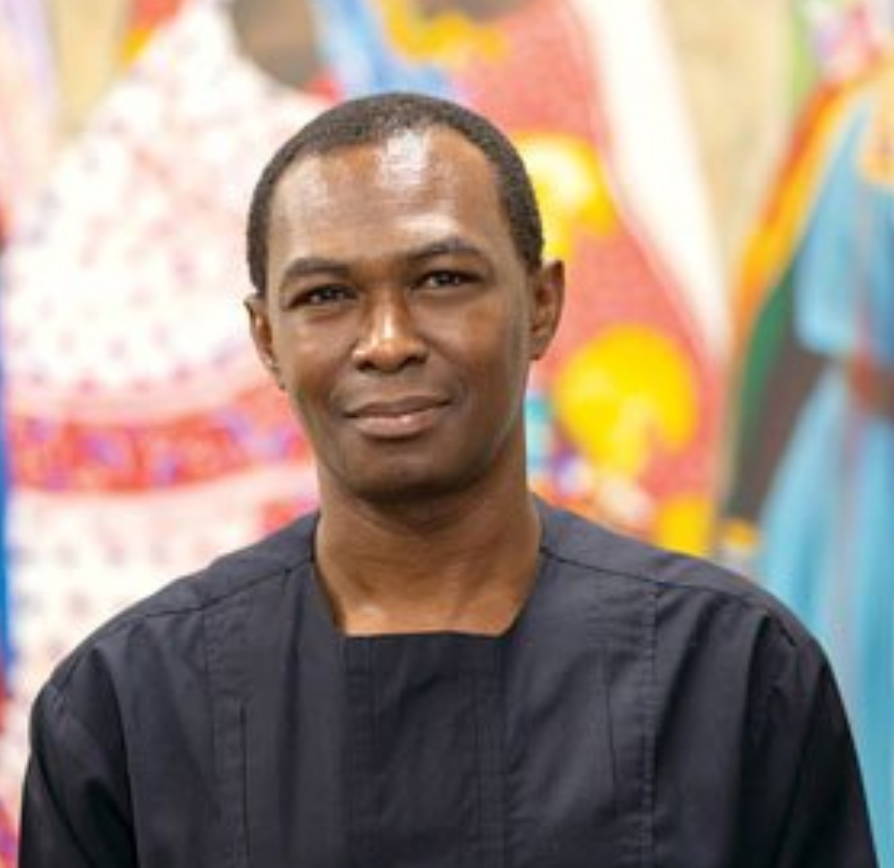
The Secretary of the branch, Mr Temitope Adekoya, made the call in an interview on Thursday in Abeokuta while assessing Nigeria’s democratic journey since the return to civilian rule in 1999.
He described Nigeria’s 27 years of uninterrupted democratic rule as a period marked by notable achievements and lingering challenges.
He said Nigeria had made significant progress through sustained civilian governance, successful constitutional transitions and the strengthening of democratic institutions.
According to him, the country has successfully conducted seven consecutive election cycles since the return to democratic rule in 1999.
He said that the judiciary has on several occasions, demonstrated its capacity to resolve politically sensitive disputes through constitutional means.
He added that institutions such as civil society organisations and the NBA have continued to play important roles in defending democratic values and checking authoritarian tendencies.
“Twenty-seven years on, Nigeria’s democratic journey presents a mixed picture of progress and persistent challenges. One of the major achievements is the country’s longest uninterrupted period of democratic governance, coupled with a growing culture of constitutional succession,” he said.
The legal practitioner, however, noted that much of the country’s democratic gains remained procedural rather than substantive, citing concerns over accountability, rule of law and citizens’ participation in governance.
He expressed concern over what he described as the frequent disregard for court orders by some government agencies, warning that such actions undermine public confidence in the justice system and weaken democratic institutions.
Adekoya also identified ideological inconsistency among political parties, political defections and the influence of godfatherism as factors hindering democratic consolidation.
“These challenges often leave citizens feeling excluded from the political process and create the impression that elections are merely contests for power rather than opportunities for genuine representation and service delivery,” he said.
He noted that the situation had contributed to declining voter turnout and growing public disillusionment with the democratic process.
The NBA secretary further highlighted barriers to justice, including overcrowded correctional facilities and the high cost of litigation, as issues limiting access to justice for many Nigerians.
To deepen democratic consolidation, Adekoya called for reforms aimed at strengthening judicial independence through greater financial and administrative autonomy for courts both at federal and state levels.
He also advocated transparent and merit-based judicial appointments to enhance public trust and protect the judiciary from undue political influence.
He stressed the need to strengthen the independence of INEC, promote the responsible use of technology and ensure transparent and verifiable election results from the polling-unit level.
He urged political parties to embrace internal democracy and reduce the influence of patronage and godfatherism to encourage issue-based politics and credible leadership recruitment.
He also underscored the importance of civic education, calling on legal practitioners, educational institutions and civil society organisations to intensify efforts at promoting constitutional awareness among citizens.
“Democracy should not be measured solely by the conduct of elections. It is reflected in the strength of institutions, access to justice, accountability of public officials and the confidence citizens have in the system.
“Nigeria has made progress, but the task ahead is to deepen that progress by building resilient institutions, strengthening the rule of law and ensuring that democratic governance delivers tangible benefits to the people,” he said.
(NAN)