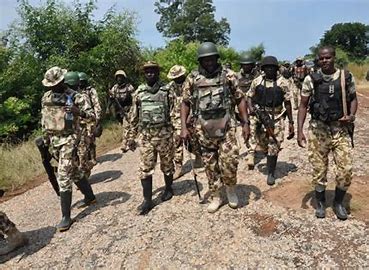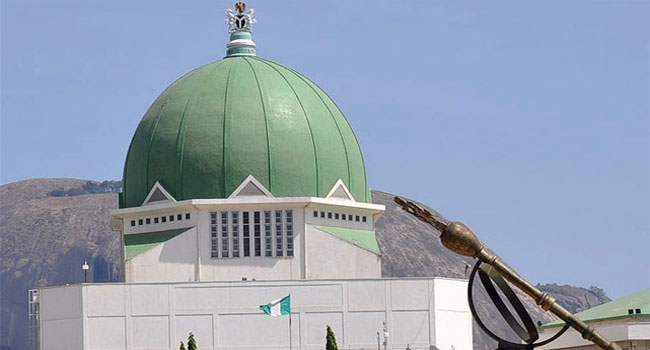
The House of Representatives Committee on National Security and Intelligence has called for improved funding of intelligence gathering agencies to tackle insecurity in the country.
The Chairman of the committee, Rep. Ahmad Satomi (APC- Borno) made the call on Wednesday at the 2026 budget defence session in Abuja.
The lawmaker also called for stronger collaboration between the executive and legislature to enhance Nigeria’s security architecture.
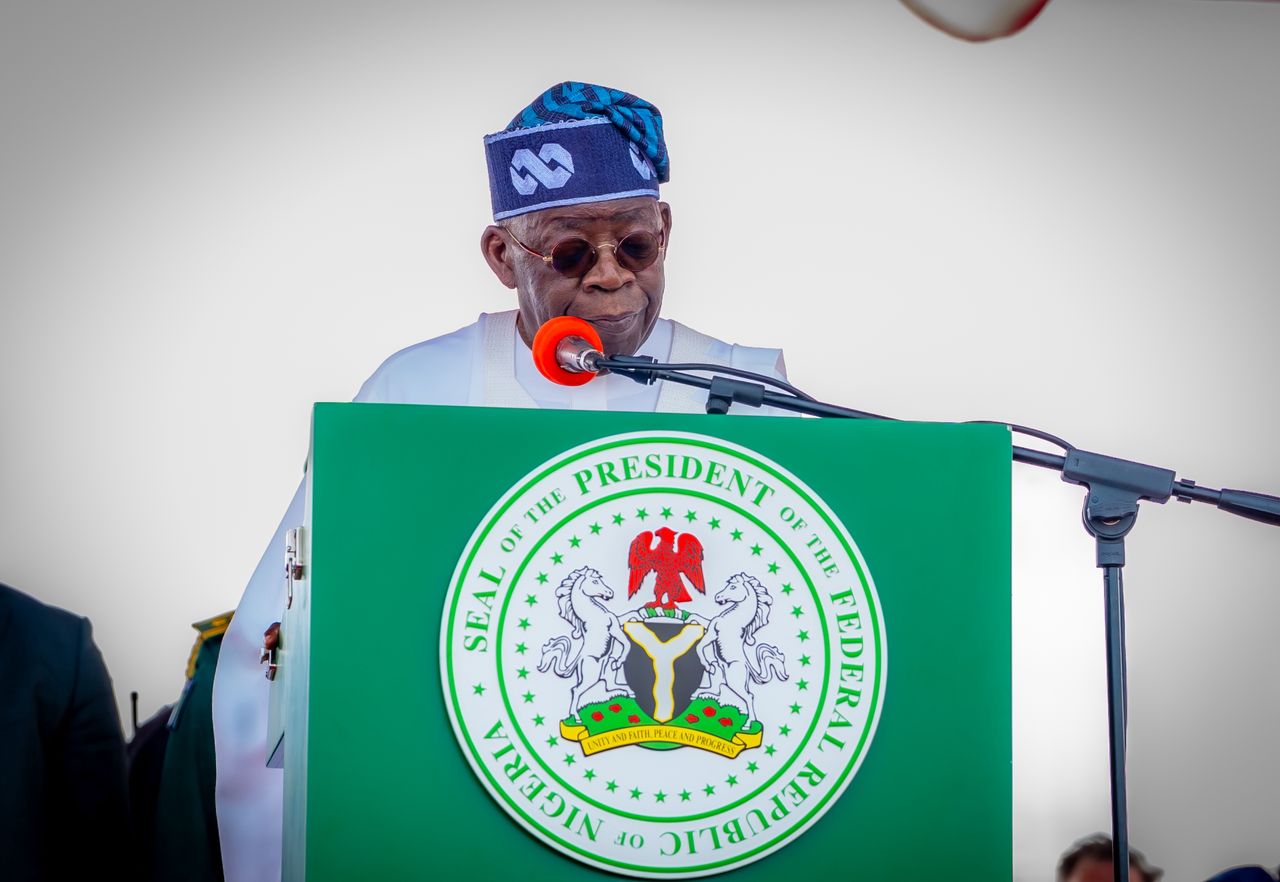
According to him, national security remains the foundation of development, aligning with the position earlier canvassed by President Bola Tinubu in his presentation of the ₦58.18 trillion 2026 Appropriation Bill to the National Assembly.
He said that the sum of ₦5.41 trillion was allocated to defence and security, ₦3.56 trillion to infrastructure, ₦3.52 trillion to education, and ₦2.48 trillion to health.
“Out of the N5.42 trillion, the intelligence subsector comprising the Office of the National Security Adviser (NSA) and its agencies, the Department of State Services (DSS) the National Intelligence Agency (NIA), Presidential Air Fleet and the National Institute for Security Studies were allocated a total of N664,119,740 for their Personnel, Overhead and Capital Expenditures.
“Further breakdown shows that personnel cost for all the Agencies in the Intelligence sector for 2026 is N245,941,663,329, total overhead cost proposal is N131,273,507,85 and total proposed capital expenditure N286,904,549,354.
“These allocations are indeed very abysmal; there is absolutely nothing to suggest that the presidency priorities security and intelligence if we go by the releases for the 2025 budget implementation, at the least the releases that is known to us.
“One would have expected that if indeed the provision of welfare and security is the primary purpose of governance, then releases to the security sector should not be treated trivially. This committee is therefore making a passionate appeal to our dear president to please look into the funding of the agencies in the intelligence sector, enhance them and prioritise them,” he said.
Satomi recalled that in 2024, the committee undertook a visit to the training schools of DSS in Bauchi, Lagos and Enugu and was disheartened by the sorry state of the facilities in all the schools visited.
According to him, what we observed cannot in all honestly deliver world class technical, psychological and sociological capabilities to our men and women who are laying down their lives for the service of our beloved country.
He urged the President to direct that the training schools be given separate funding heads in the budget as is done with the Armed forces and police training intuitions and adequate provisions should be made to run them.
In his remarks, the Permanent Secretary, Special Services in the Office of National Security Adviser, said that the envelop system of budgeting constituted a lot of constrain in terms of resources allocation to the intelligence community.
He said that the irregular release of Overhead Cost, on-implementation of the releases of the 2025 appropriated overhead cost, irregular release of foreign service personnel shortfall for 2024 due to forex differential also constrained the community.
“Non-release of Capital allocation, high exchange rate, inadequate operational vehicles for effective and efficient covert and overt operations as well as I ncreased cost of foreign exchange on the maintenance of Presidential Air Fleet abroad instead of at own hanger were challenges faced.
“Our humble prayer is that adequate funding should be provided through a supplementary budget to the intelligence community to ensure timely and speedy response to issues of national security.
“We all agreed that no nation can grow without adequate security. I wish to state and reiterate that the intelligence community always assure the entire nation of its commitment to transparency, accountability and effective resource management by ensuring that the budgetary provisions align with the government’s overall security objectives,” he said.
(NAN)