The Community Cinema model has been identified as a way out to the limited reach of formal cinemas and the growing need to reconnect with Africa’s communal viewing culture.
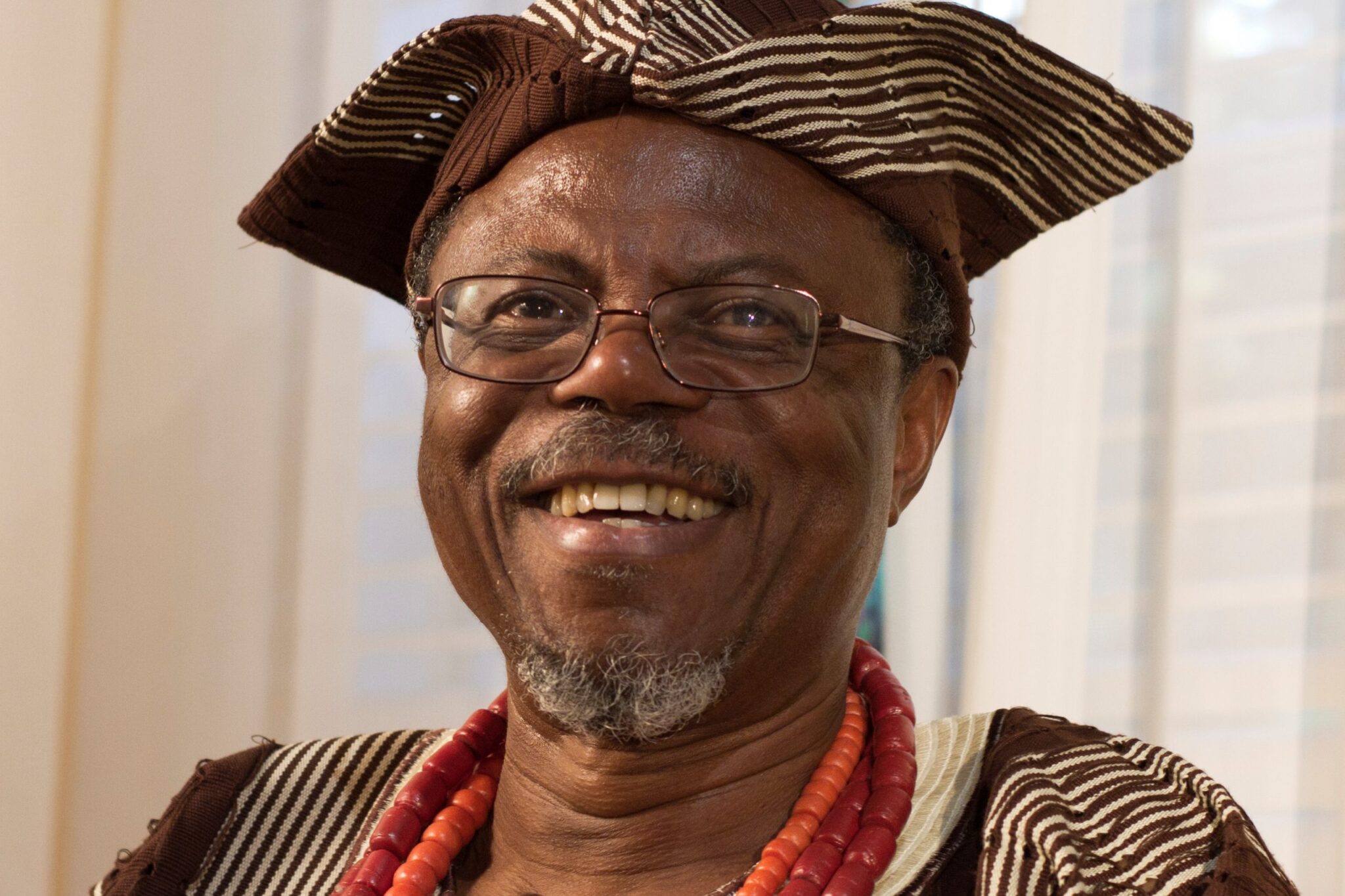
An actor and filmmaker, Tunde Ojobaro, said this in an interview with the News Agency of Nigeria (NAN) in Ibadan on Friday, highlighting some of the model’s gaps in addition.
Ojobaro cited Femi Adebayo’s community cinema experiment with the film, Ageshinkole, saying it was a bold and timely intervention in Nigeria’s film exhibition space.
“On the positive side, community cinema democratises access, bringing films to audiences priced out of mall-based theatres and to communities far from urban cinema hubs.
“It also revives a shared viewing experience that encourages conversation and cultural bonding. For filmmakers, it offers an alternative distribution route, reduces dependence on a few cinema chains, and allows indigenous stories to meet their most natural audience,” he said.
Ojobaro, however, said the model raises critical concerns.
“At present, there is no clear structure for revenue transparency, and without a standardised system to track ticket sales across multiple community locations, revenue declarations remain difficult to verify independently.
“If Ageshinkole, for instance, declares ₦1 billion in ticket sales, the industry must ask: ‘How is this figure monitored, audited, and validated?’ There is also the risk of quality erosion. If community cinema becomes poorly regulated, more filmmakers may adopt it as an easier route to exhibit their works, potentially lowering production and screening standards.
“Over time, this could mirror the decline in quality seen on open platforms like YouTube, where volume often outweighs craftsmanship. What should expand cinema culture must not dilute it,” he said.
He, therefore, said that the community cinema idea should be seen as a complement, not a replacement, to the traditional cinemas.
“Its long-term success depends on transparent revenue systems, standardised exhibition quality, and clear industry guidelines. If these safeguards are put in place, community cinema could strengthen Nigeria’s film economy; without them, it risks undermining the very culture it seeks to grow,” Ojobaro said.
Meanwhile, another filmmaker, Adebola Ogunshina, stated that Adebayo didn’t initiate the community cinema model, but rather reused it.
He stated that Herbert Ogunde started community cinemas to exhibit his films in the South-West communities.
“He sent his wives abroad to train as projectionists, and that’s how he streamlined the process. People would be in long queues to see his films; a few other people simply followed his lead. What Adebayo did was a huge leap, and I respect his thought process. He is well known, so why not try this model again? And he did this successfully,” he said.
(NAN)