- Seeks nationwide implementation
Corporate Accountability and Public Participation Africa (CAPPA) has lauded the Federal Government’s unveiling of the National Guidelines for Public Procurement of Food and Related Services.
It described the initiative “as a landmark step towards creating healthier food environments and protecting millions of Nigerians who depend on publicly funded interventions for their meals.”
Published in December 2025 and officially launched in Abuja on Monday, July 13, 2026, the Guidelines were issued by the Bureau of Public Procurement (BPP) in collaboration with the Federal Ministry of Budget and Economic Planning (FMBEP), relevant Ministries, Departments and Agencies (MDAs), development partners, professional bodies and civil society organisations.
The Guidelines establish nutrition standards for food purchased with public funds across schools and school feeding programmes, hospitals, correctional facilities, NYSC orientation camps, orphanages, internally displaced persons’ camps, emergency shelters and other public institutions. It restricts the procurement, sale and service of sugar-sweetened beverages and beverages containing non-sugar sweeteners in these settings; provides limits for sodium, saturated fats and trans fats; promotes fruits, vegetables and whole grains; encourages local sourcing and integrates nutrition and food safety standards into public procurement.
According to CAPPA, public food procurement in Nigeria has long operated without uniform, nutrition-centric standards. As a result, cost and convenience have often taken precedence over nutritional quality, with highly processed foods containing excessive sugar, salt and unhealthy fats commonly supplied in public institutions and during emergencies. The organisation said the Guidelines have the potential to change this by placing nutrition at the centre of public food procurement. Against this backdrop, it urged public institutions at the federal, state and local government levels to fully implement the Guidelines.
CAPPA’s Executive Director, Akinbode Oluwafemi, described the Guidelines as “a major milestone in Nigeria’s journey towards healthier food environments.” He added that “Government remains one of the country’s largest purchasers of food. Every day, millions of meals are served through schools, hospitals, correctional facilities, NYSC camps, IDP camps and other public institutions. What government chooses to buy inevitably shapes what millions of Nigerians eat. The Guidelines recognise that public procurement is not just another purchasing activity but a powerful public health intervention.”
CAPPA particularly welcomed the introduction of maximum sodium thresholds for several processed and pre-packaged food categories in line with the National Guidelines for Sodium Reduction, 2024.
Another key provision requires each adult meal to contain no more than 35 per cent of the recommended daily sodium intake, equivalent to 700 milligrams of sodium or 1.75 grams of salt, with adjustments for children and other population groups.
The Guidelines also prohibit the purchase of partially hydrogenated oils and food products that list them among their ingredients. In addition, food products containing trans fats must not exceed two grams per 100 grams (2g/100g), while manufacturers are required to declare trans-fat content on product labels.
For retail outlets located on public property, the Guidelines encourage institutions to make healthier options more visible and affordable, discourage the promotion of unhealthy products, and use menus and signage to identify foods that meet criteria such as low sodium or no added sugar.
The organisation also identified the requirement that at least 30 per cent of institutional food procurement budgets be allocated to locally grown or produced foods supplied by smallholder farmers and community vendors as an important measure that could improve nutrition, strengthen local food systems and support rural livelihoods.
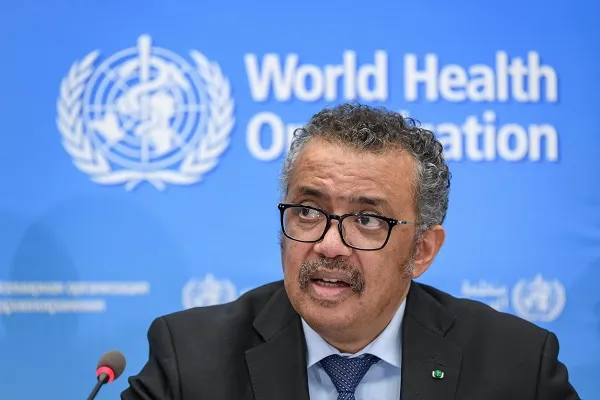
It noted that the new standards align Nigeria with growing international efforts to use government’s purchasing power to prevent diet-related diseases and create healthier food environments. The Guidelines also draw on the World Health Organization’s Action Framework for Developing and Implementing Public Food Procurement and Service Policies for a Healthy Diet.
While appreciating the Federal Government, CAPPA stressed that the success of the Guidelines would ultimately depend on faithful implementation. It encouraged the BPP to immediately constitute the National Food Procurement Oversight Committee (NFPOC), as provided for under the Guidelines, and commence the implementation measures contained in the instrument.
Under the Guidelines, the Committee will monitor compliance, investigate breaches, report violations to the appropriate authorities and provide a mechanism for civil society participation and independent reporting.
The group also called for the prompt designation of focal monitoring officers across institutions, routine inspections, quarterly compliance reports, annual independent audits, the establishment of a central compliance database and the publication of annual reports on institutional compliance.
“Launching the Guidelines is an important first step. The real measure of success will depend on how faithfully these standards are applied in everyday procurement and food service operations. Procurement officers, caterers, contractors and food service providers must receive the training and support required to comply,” Oluwafemi said.
CAPPA called on public institutions across all levels of government to begin aligning their procurement processes, contracts, menus and food service operations with the provisions of the Guidelines, noting that consistent compliance would determine whether the guidelines will translate into healthier meals for millions of Nigerians.
It congratulated the BPP, the FMBEP, the Federal Ministry of Health and Social Welfare, participating government agencies, development partners including Resolve to Save Lives and the Global Health Advocacy Incubator, professional bodies and civil society organisations that contributed to developing the Guidelines.
CAPPA in a statement by its Media and Communications Officer, Robert Egbe, added that it would continue working with relevant stakeholders to support implementation of the guidelines through research, public education, constructive engagement and independent monitoring.