Henna artists in Kano have recorded a boom during the Eid-el-Kabir season, with some earning about ₦300,000 in one week, the News Agency of Nigeria (NAN) reports.
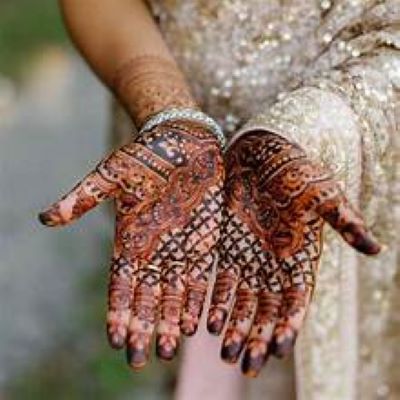
Henna, popularly known as “kunshi” in Northern Nigeria, is a natural dye made from the leaves of the henna plant, Lawsonia inermis, also called “lalle”.
It is widely used to decorate hands and feet during festive occasions.
The practice is deeply rooted in Northern Nigeria’s cultural traditions and is commonly associated with Eid celebrations, weddings, naming ceremonies, and other social events.
Beyond beautification, henna artistry serves as a source of livelihood for many young women, especially during festive periods when demand for intricate designs rises.
During Sallah, many women and children consider henna essential to their preparations.
This has increased patronage for artists and boosted small-scale beauty businesses in Kano.
A survey conducted by NAN in Kano reveals that while some artists recorded improved business, others reported lower customer turnout compared to last year.
Henna artist Aisha Abubakar said patronage improved this year.
She attributed the increase to high interest from women, children, and teenage girls who start coming for designs five days before the celebration and continue through the festival.
Abubakar said she attends to at least 20 customers daily, with prices varying by style.
“We have pattern designs, zane, and sticker designs. The pattern design is more expensive because it uses more materials, and many people prefer it,” she said.
She explained that single ladies, teenagers, and children make up most of her pre-Sallah customers, while married women and mothers usually come later due to domestic preparations.
Abubakar identified the application of body lotion by some customers as a challenge, saying it prevents the henna from sticking properly to the skin.
She employs three staff members and works from 5:00a.m. to around 3:00a.m. daily during the period.
Abubakar added that patronage often continues after Sallah because of weddings and other social events.
Another artist, Summayya Musa, told NAN that she also recorded reasonable patronage, though it dropped slightly compared to the previous Eid-el-Kabir.
Musa said customers started visiting five days before the celebration and that she attends to at least 20 people daily.
She charges ₦2,500 per person depending on the style, and has not increased prices in spite of rising costs of henna materials.
“The materials we use are now very expensive, but we still maintain the same price because of our customers,” she said.
Musa said all her customers come to her residence for designs, saying: “I employ two staff members and begin work as early as 5:00a.m., often closing around 2:00a.m. due to high demand.”
A customer, Bilikisu Shu’aibu said she prefers applying henna herself at home to reduce expenses.
The mother of several children said she buys materials from the market and spends less than ₦1,000.
“I cannot afford to pay for myself because I also have to pay for my children. I cannot imagine celebrating Sallah without henna because it is part of our tradition and it makes us look beautiful. Sallah comes only once a year,” she said.
(NAN)