By Our Staff Writer
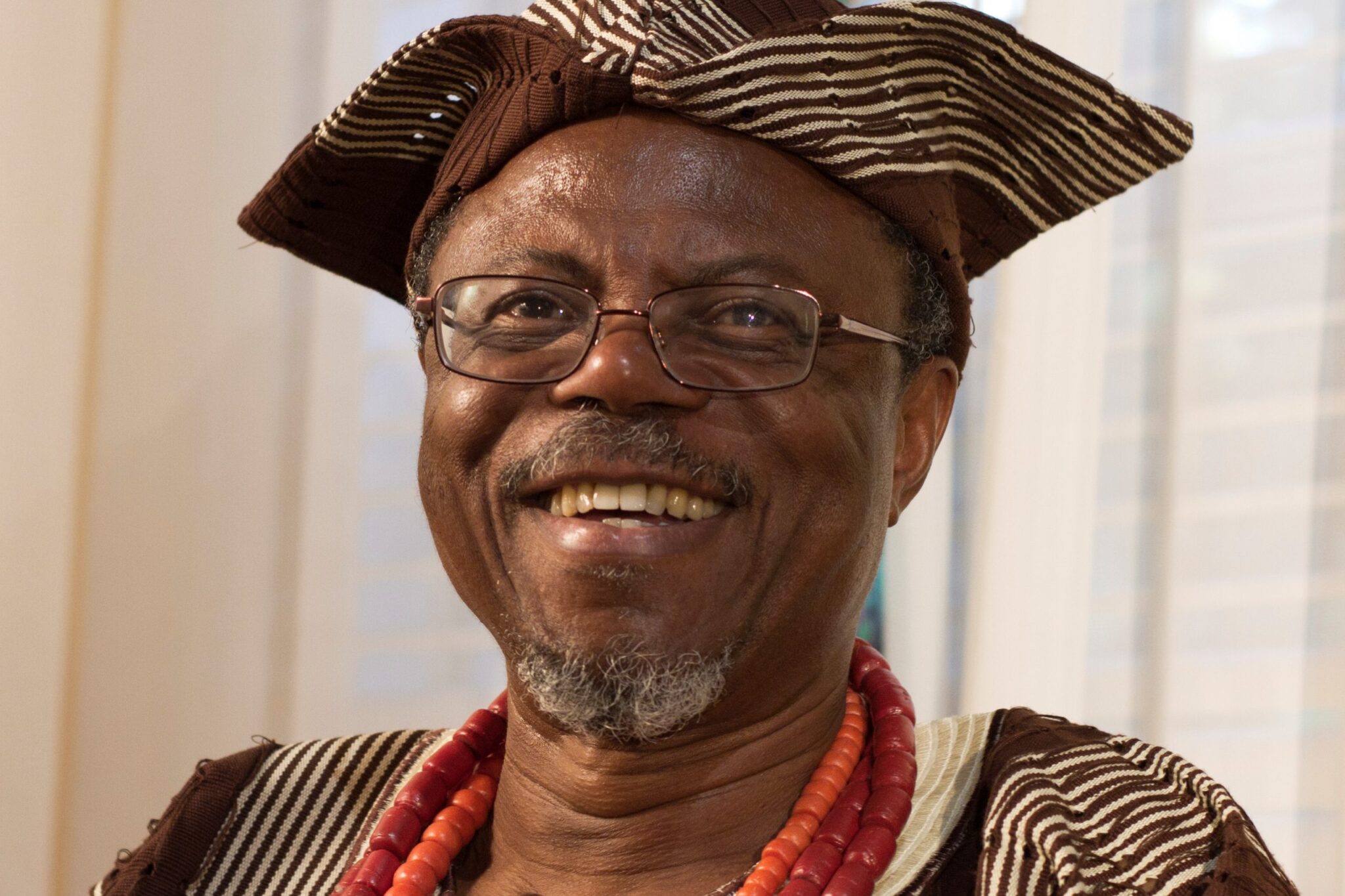
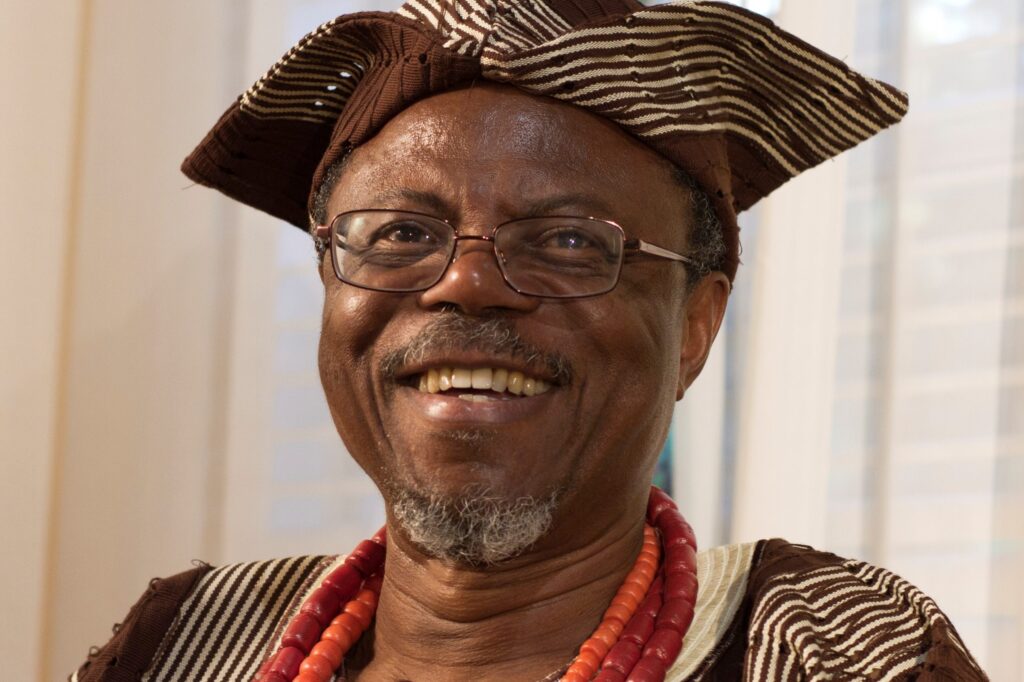
Renowned African scholar, Professor Toyin Falola, has unveiled a free online global masterclass aimed at equipping scholars and researchers with intellectual and practical tools for studying Africa from diverse perspectives.
The initiative, called The Toyin Falola Masterclass on Studies of Africa, is designed as a virtual learning platform where participants can engage with experts on critical debates about Africa’s past and present, as well as gain practical insights into research and knowledge production on the continent.
Speaking on the vision behind the programme, Falola said the masterclass is intended to reposition African studies within a more inclusive and self-reflective intellectual framework. “This initiative is about restoring Africa to the centre of its own knowledge production. We must create spaces where scholars can interrogate inherited ideas, engage critically with history, and develop frameworks that speak to African realities,” he said.
The masterclass employs a dynamic approach to learning, which involves online learning. The learners are to engage with renowned experts and fellow learners, creating a platform where all participate in exploring new ideas.
As indicated by the organisers, the masterclass will involve three levels of participation, namely beginner, intermediate, and advanced stages, through which the participants will advance from one level to another.
The initiative also focuses on key thematic areas, including the decolonization of knowledge, African critiques of dominant academic traditions, indigenous and Afrocentric knowledge systems, and research methodologies tailored to African contexts.
According to Falola, the programme is set against the backdrop of uncertainties in the world regarding the future of knowledge and education systems, emphasizing that it is a strategic move to tackle inequality in the global knowledge economy. “The aim is to provide master tools for contemporary studies of Africa; assess how each participant’s work fits into the history of research on Africa; practically connect participants’ work with African knowledge transformation goals; and show how they can position themselves in conversations with research tradition,’’ the programme brief indicated.
According to the organizers, the program is available to early- and mid-career academics, as well as senior scholars willing to engage in further exploration of different forms of epistemologies. There is no cost of participation in the program. Nonetheless, certificates will be issued at a fee and with endorsements from the collaborating institutions and the Pan-African University Press.
Individuals who successfully pass the advanced courses will earn the designation “Fellow of the Masterclass of Studies of Africa (FMSA)” and may use this alongside their specialization in academic work. The course materials feature diverse humanities-related modules, such as decolonization of history, philosophy, religion, education, development, gender studies, law, environment, global order, and other areas.
The series of classes will help to create a new generation of scholars who can contribute significantly to the intellectual transformation of Africa. Falola emphasized the urgency of reclaiming African intellectual agency: “For too long, Africa has been studied through borrowed lenses and distant voices. This masterclass is about restoring authority to African experiences—about creating a space where knowledge is not merely consumed, but produced, debated, and owned by those who live its realities. We must train a new generation of scholars who can think with Africa, not just about Africa.”
Prof Falola is a historian and professor of African Studies. He is a Fellow of the Historical Society of Nigeria, and the Nigerian Academy of Letters. He has served as the president of the African Studies Association and is currently the Jacob and Sanger Mossiker Chair in the Humanities at the University of Texas at Austin.