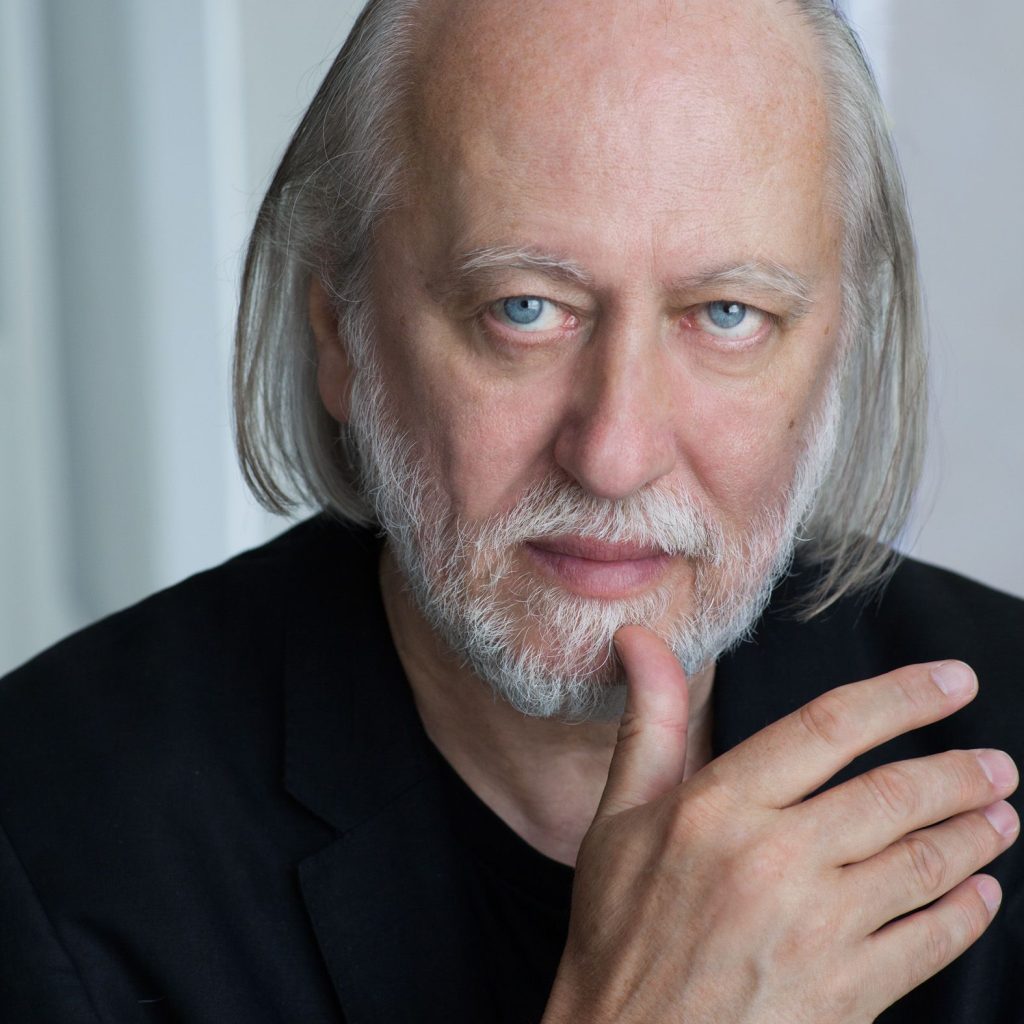
László Krasznahorkai, a Hungarian writer has been announced as the winner of this year’s Nobel Prize in Literature.
The Nobel committee said he was awarded the prize for “for his compelling and visionary oeuvre that, in the midst of apocalyptic terror, reaffirms the power of art.”
Krasznahorkai, was born in 1954 in Gyula, Hungary. He is a writer whose work demands patience and immersion. His novels are often cast in relentless, sweeping sentences, populated by bleak landscapes, existential disquiet and uncanny transformations of the everyday. He emerges from a Central European tradition that stretches through Kafka and Thomas Bernhard, yet his literary lens is distinct—at times colliding with absurdism and grotesque excess, at others quieting into meditative reflection, especially in works inspired by his journeys across China and Japan.
He first gained wide attention with Satantango (1985), and later The Melancholy of Resistance (1989), works that have also found life in film through collaborations with director Béla Tarr. Long considered a favourite for the Nobel, Krasznahorkai is the rare non-English language author capable of attracting supersized audiences on both sides of the Atlantic. In finally joining the pantheon of laureates, he becomes the second Hungarian Nobel Prizewinner (after Imre Kertész’s in 2002).